.png?width=1280&height=720&name=Untitled%20design%20(22).png "Untitled design (22)")

If you’ve ever felt shoulder pain while bench pressing, doing pull-ups, throwing a baseball, doing CrossFit workouts, or even just reaching overhead in the gym, you’re not alone. Shoulder pain is one of the most common issues we see in athletes and active adults around Central, Clemson, Seneca, Easley, and the surrounding Upstate South Carolina communities. The frustrating part for many people is not just the pain itself, it’s the cycle.
The shoulder starts hurting.
You rest for a few days.
It feels a little better.
You go back to working out.
Then the pain comes right back.
A lot of people assume this means they simply need more rest, more stretching, or maybe even a different exercise program. In reality, recurring shoulder pain is usually a sign that the underlying issue was never fully addressed in the first place.
At Off The Block Performance Physical Therapy, we work with lifters, CrossFit athletes, runners, golfers, baseball players, and active adults throughout Central, Six Mile, Seneca, Pendleton, Easley, Liberty, Pickens, and Anderson who are tired of constantly modifying workouts because of shoulder pain.
Here’s why shoulder pain keeps returning and what actually fixes it.
Your Shoulder Is Extremely Mobile and That Comes at a Cost
The shoulder is one of the most mobile joints in the body. That mobility allows you to:
- throw
- press overhead
- swim
- lift weights
- perform athletic movements
The downside is that increased mobility also means decreased natural stability.
Your shoulder depends heavily on:
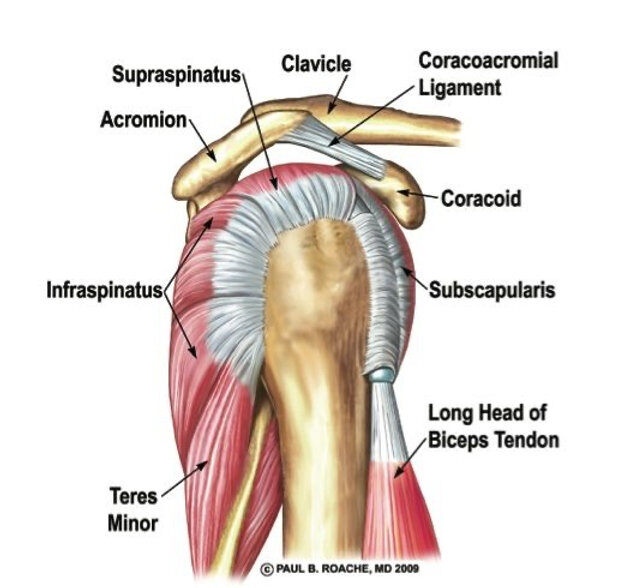
- rotator cuff strength
- scapular control
- thoracic mobility
- muscular coordination
When one piece of that system is not working correctly, other structures begin compensating. That’s when pain often develops.
Pain Is Often a Symptom, Not the Root Problem
One of the biggest mistakes people make is only treating the painful area.
For example:
- rubbing the shoulder
- stretching the shoulder
- icing the shoulder
- avoiding painful exercises temporarily
Those things may calm symptoms down temporarily, but they often do not address why the pain started.
In many active adults and athletes, shoulder pain may actually stem from:
- poor shoulder blade control
- limited thoracic spine mobility
- weakness in the rotator cuff
- improper lifting mechanics
- overtraining
- rapid increases in training volume
- poor recovery
- neck stiffness
- hip and core instability affecting overhead mechanics
This is why shoulder pain often keeps returning despite rest.
Common Shoulder Injuries We See in Athletes
At our performance physical therapy clinic in Central, SC, some of the most common shoulder issues we evaluate include:
Rotator Cuff Tendinopathy
This is irritation or overload of the rotator cuff tendons.
Common symptoms:
- pain reaching overhead
- pain during pressing exercises
- discomfort sleeping on that side
- weakness lifting weights
- pain with throwing
This is extremely common in:
- baseball players
- CrossFit athletes
- weightlifters
- overhead workers
Shoulder Impingement
This occurs when structures within the shoulder become compressed during movement.
Symptoms often include:
- pinching pain
- pain lifting the arm overhead
- painful pressing movements
- reduced range of motion
Impingement is often tied more to movement mechanics than actual structural damage.
Labral Irritation
The labrum helps stabilize the shoulder joint. Athletes performing repetitive overhead movements may develop irritation or tears in this area.
This is common in:
- baseball players
- volleyball players
- quarterbacks
- swimmers
- CrossFit athletes
Shoulder Instability
Some athletes naturally have excessive mobility and lack adequate stability around the shoulder.
This can create:
- clicking
- shifting sensations
- weakness
- repeated flare-ups
- fear during overhead movement
Why Rest Alone Usually Fails
Rest can temporarily reduce irritation.
But if you immediately return to:
- heavy pressing
- high-volume workouts
- poor movement mechanics
- repetitive overhead activity
without fixing the underlying issue, symptoms often return quickly. This is why many people feel stuck in a cycle for months or even years. The goal should not just be reducing pain temporarily.
The goal should be improving:
- load tolerance
- movement quality
- stability
- strength
- mobility
- tissue capacity
Mobility Matters, but Stability Matters Too
A huge misconception online is that every painful shoulder simply needs more stretching. In reality, many athletes are already excessively mobile.
What they actually lack is:
- control
- stability
- strength through range
- proper positioning under load
At Off The Block Performance Physical Therapy, we evaluate the entire movement system instead of just chasing symptoms.
That may include looking at:
- thoracic mobility
- rib cage positioning
- scapular mechanics
- rotator cuff strength
- breathing mechanics
- lifting technique
- programming volume
- recovery habits
Poor Programming Can Contribute to Shoulder Pain
Sometimes the issue is not necessarily the exercise itself, it’s the dosage.
We frequently see athletes:
- bench pressing multiple times per week
- doing excessive overhead work
- skipping pulling movements
- progressing weight too quickly
- training through pain constantly
Over time, tissues can become overloaded faster than they can recover.
This becomes especially common in:
- CrossFit athletes
- baseball players
- high school athletes
- gym-goers following aggressive online programs
Shoulder Pain in Youth Athletes Is Increasing
We are seeing more shoulder injuries in younger athletes throughout the Upstate than ever before. A major reason is early sports specialization.
Many athletes now:
- play year-round
- throw year-round
- train intensely without adequate recovery
- lack strength and mobility foundations
The American Academy of Pediatrics has warned about increasing overuse injuries in youth athletes due to repetitive training demands. For baseball players especially, excessive throwing volume without proper recovery significantly increases injury risk.
What Physical Therapy for Shoulder Pain Should Actually Look Like
Good physical therapy should not just involve:
- heat
- ultrasound
- generic bands
- passive treatments only
Effective sports physical therapy should include:
- movement analysis
- strength testing
- mobility assessment
- progressive loading
- return-to-sport planning
- sport-specific rehab
- education on training management
For athletes and active adults, rehab should bridge the gap between pain and performance.
When Should You See a Physical Therapist?
You should consider seeing a physical therapist if:
- shoulder pain keeps returning
- workouts constantly need modification
- you avoid overhead movements
- strength is decreasing
- pain lasts more than 1–2 weeks
- sleep becomes painful
- you feel unstable during lifting
- throwing velocity or endurance drops
The earlier underlying issues are addressed, the easier they usually are to correct.
The Goal Isn’t Just Pain Relief, It’s Confidence!
A lot of athletes stop trusting their shoulder.
They become hesitant:
- under the barbell
- during throwing
- during overhead movement
- during sport
Our goal is not simply to reduce symptoms temporarily. Our goal is to help athletes and active adults throughout Central, Clemson, Seneca, Easley, Pendleton, and surrounding Upstate SC communities return to training with confidence again.
FAQs
Should I stop lifting if my shoulder hurts?
Not always. Completely stopping activity is often unnecessary. Modifying volume, intensity, or movement patterns while addressing the root issue is usually more effective.
Can shoulder pain go away on its own?
Some mild irritation may improve temporarily, but recurring shoulder pain often indicates underlying movement or loading issues that should be evaluated.
Is clicking in the shoulder normal?
Occasional painless clicking can be normal. Painful clicking, instability, or shifting sensations should be assessed.
Can physical therapy help avoid surgery?
In many cases, yes. Research has shown that structured rehabilitation can significantly improve many shoulder conditions without surgery depending on the diagnosis and severity.
Sources
- American Academy of Pediatrics
- Journal of Orthopaedic & Sports Physical Therapy
- American Physical Therapy Association
- National Institutes of Health
-1.webp)