.png?width=1280&height=720&name=Untitled%20design%20(22).png "Untitled design (22)")
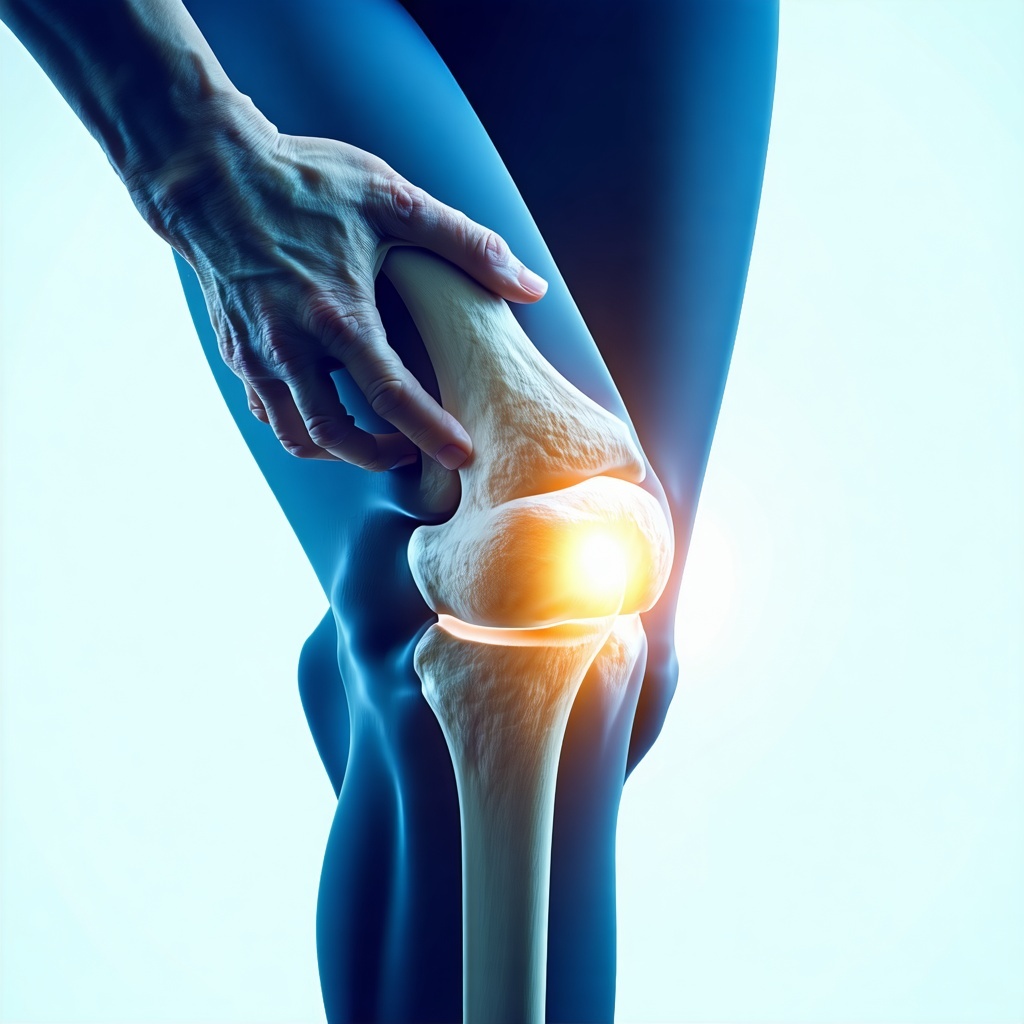
A lot of people try to push through knee pain longer than they should.
At first, it feels minor. Maybe your knees hurt after squats, running, hiking, or getting up from the couch. You tell yourself it is probably just soreness or that you need a few days off. Sometimes the pain improves temporarily, but then it keeps returning every time activity picks back up.
This is one of the most common things we see at Off The Block Performance Physical Therapy. Athletes and active adults throughout Central, Clemson, Seneca, Easley, Pendleton, Anderson, and surrounding Upstate South Carolina communities often wait months before addressing knee pain because they assume it is something they simply have to live with.
The reality is that persistent knee pain is usually a sign that the knee is being overloaded faster than the body can tolerate. The longer that cycle continues, the more frustrating recovery can become.
Knee Pain Is Extremely Common
Knee pain affects people across nearly every activity level. We see it in:
- runners
- CrossFit athletes
- golfers
- high school athletes
- weightlifters
- hikers
- active adults
- people returning to exercise after time away
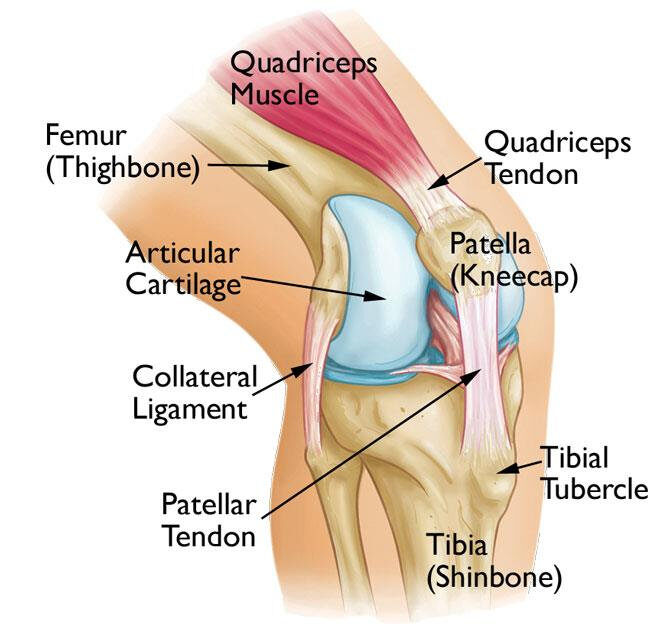
The knee absorbs force constantly throughout the day. Walking, running, jumping, squatting, stairs, and sports all place repetitive stress through the joint. When movement quality, strength, mobility, or workload become imbalanced, symptoms often start to appear.
Not all knee pain means something is torn or permanently damaged, but pain that repeatedly returns should not be ignored.
Common Types of Knee Pain We See
Patellofemoral Pain Syndrome
This is one of the most common causes of knee pain, especially in runners and active adults.
People often describe:
- pain going up or down stairs
- discomfort with squatting
- pain after sitting for long periods
- soreness around the kneecap
- pain during lunges or workouts
This condition is often tied to a combination of:
- training load
- hip weakness
- poor movement mechanics
- mobility limitations
- recovery issues
Many people are told their knees are “tracking poorly,” but the bigger issue is often how the entire lower body is functioning together.
Patellar Tendon Pain
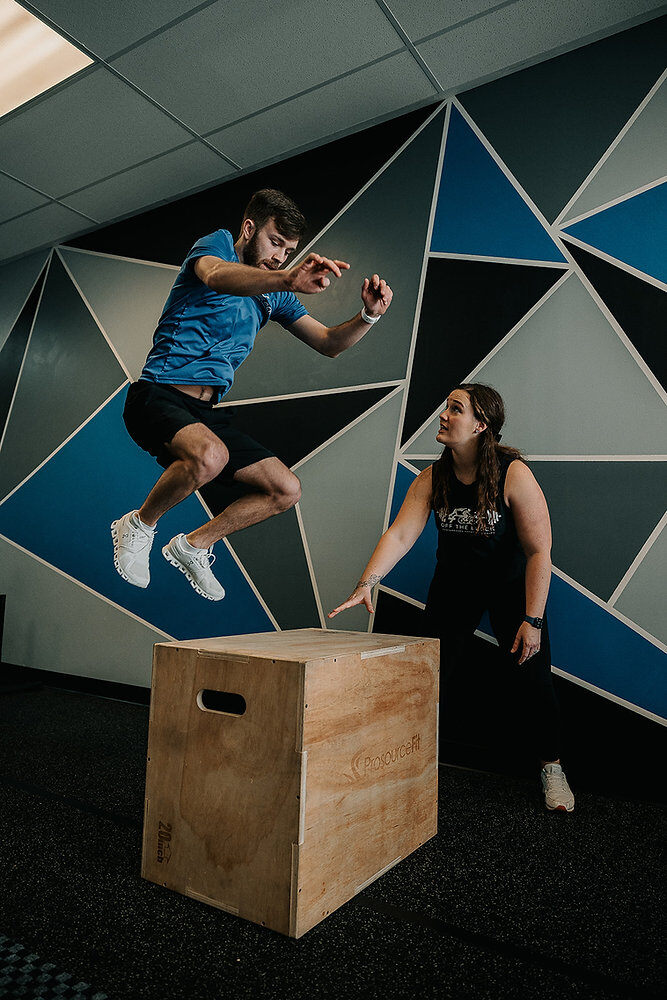
This is common in athletes who jump, sprint, or lift heavily.
Symptoms often include:
- pain below the kneecap
- stiffness after activity
- discomfort during jumping
- pain during squats
- soreness that warms up during activity then worsens later
We frequently see this in:
- basketball athletes
- football players
- CrossFit athletes
- weightlifters
- volleyball players
Meniscus Irritation
The meniscus helps absorb force and stabilize the knee. Irritation or injury can occur with twisting movements, repetitive loading, or degeneration over time.
Symptoms may include:
- clicking
- locking
- stiffness
- swelling
- pain with deep bending
Not every meniscus injury automatically requires surgery. Research has shown many people improve significantly with structured rehabilitation.
ACL Injuries
ACL injuries are among the most serious knee injuries we see in athletes. These often occur during:
- cutting
- jumping
- pivoting
- rapid changes in direction
Recovery is about much more than simply waiting for pain to go away. Proper ACL rehab should focus on:
- strength
- stability
- force production
- movement mechanics
- return to sport testing
- confidence rebuilding
Rest Alone Usually Does Not Solve the Problem
One of the biggest misconceptions about knee pain is that rest automatically fixes it.
Temporary rest may calm symptoms down, but if the underlying issue remains, pain often returns as soon as activity resumes.
This is especially common in people who:
- increase training too quickly
- return to activity without rebuilding strength
- continue moving inefficiently
- ignore recovery
- repeatedly push through worsening symptoms
Instead of only focusing on pain relief, rehab should focus on improving the body’s ability to tolerate load again.
Weakness Higher Up the Chain Often Contributes
Many knee issues are not just “knee problems.”
Weakness or instability at the:
- hips
- core
- glutes
- ankles
can change how force moves through the knee.
For example, poor hip control during squatting or running may increase stress around the kneecap. Limited ankle mobility may force the knee into compensations during movement. This is why simply stretching the knee or icing the knee often does not fully solve the issue.
At our clinic in Central, SC, we look at the entire movement system rather than only chasing symptoms.
Training Load Matters More Than Most People Think
The body adapts well to stress when load increases gradually.
Problems often happen when:
- mileage spikes too quickly
- gym volume increases suddenly
- athletes return too aggressively after time off
- recovery cannot keep up with demand
This is one reason why many knee injuries appear during:
- preseason training
- summer sports camps
- New Year fitness goals
- race prep
- return to sport phases
Research continues to show that sudden spikes in training load are associated with increased injury risk.
When Should You See a Physical Therapist?
You should consider being evaluated if:
- knee pain lasts more than 1 to 2 weeks
- pain keeps returning
- swelling develops
- strength feels reduced
- stairs become painful
- workouts constantly need modification
- running mechanics change
- the knee feels unstable
The earlier problems are addressed, the easier they usually are to manage.
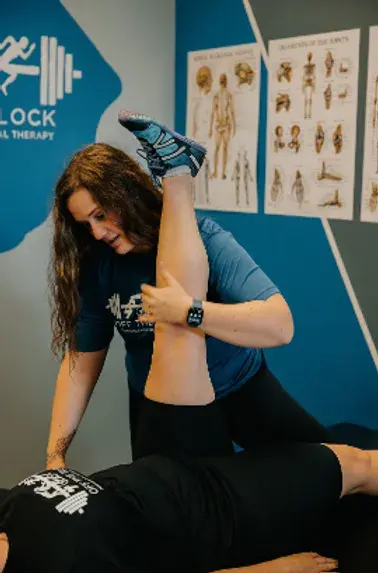
What Physical Therapy for Knee Pain Should Include
Effective physical therapy should not just involve:
- passive treatments
- random exercises
- temporary symptom relief
A good rehab plan should include:
- movement assessment
- strength testing
- mobility evaluation
- progressive loading
- activity modification guidance
- sport specific progression
- long term injury prevention
The goal is helping people confidently return to activity instead of constantly fearing flare ups.
FAQs
Should I stop exercising if my knee hurts?
Not always. In many cases, modifying activity is more beneficial than complete rest.
Is knee popping normal?
Occasional painless popping can be normal. Painful popping, locking, or instability should be evaluated.
Can physical therapy help avoid surgery?
Depending on the condition, yes. Many knee injuries improve significantly with structured rehab.
How long does knee rehab take?
It depends on the diagnosis, severity, training demands, and consistency with rehab.
Sources
- American Physical Therapy Association
- Journal of Orthopaedic & Sports Physical Therapy
- British Journal of Sports Medicine
- National Institutes of Health