Locally owned & operated.
Move like you use to. train like you want to.
Performance physical therapy to help athletes and active adults heal from injury and get back to doing what they love.

PROBLEM
Traditional Physical Therapy Wasn't Built For Your Goals.
Insurance based PT is often limited by what your insurance will cover, not by what you actually need.
You get a set number of visits. Short appointments. Treatment focused on getting you functional enough to leave therapy, rather than getting you back to performing at your best.
You shouldn't have to stop at "good enough."
That's where we do things differently.
STEP #1
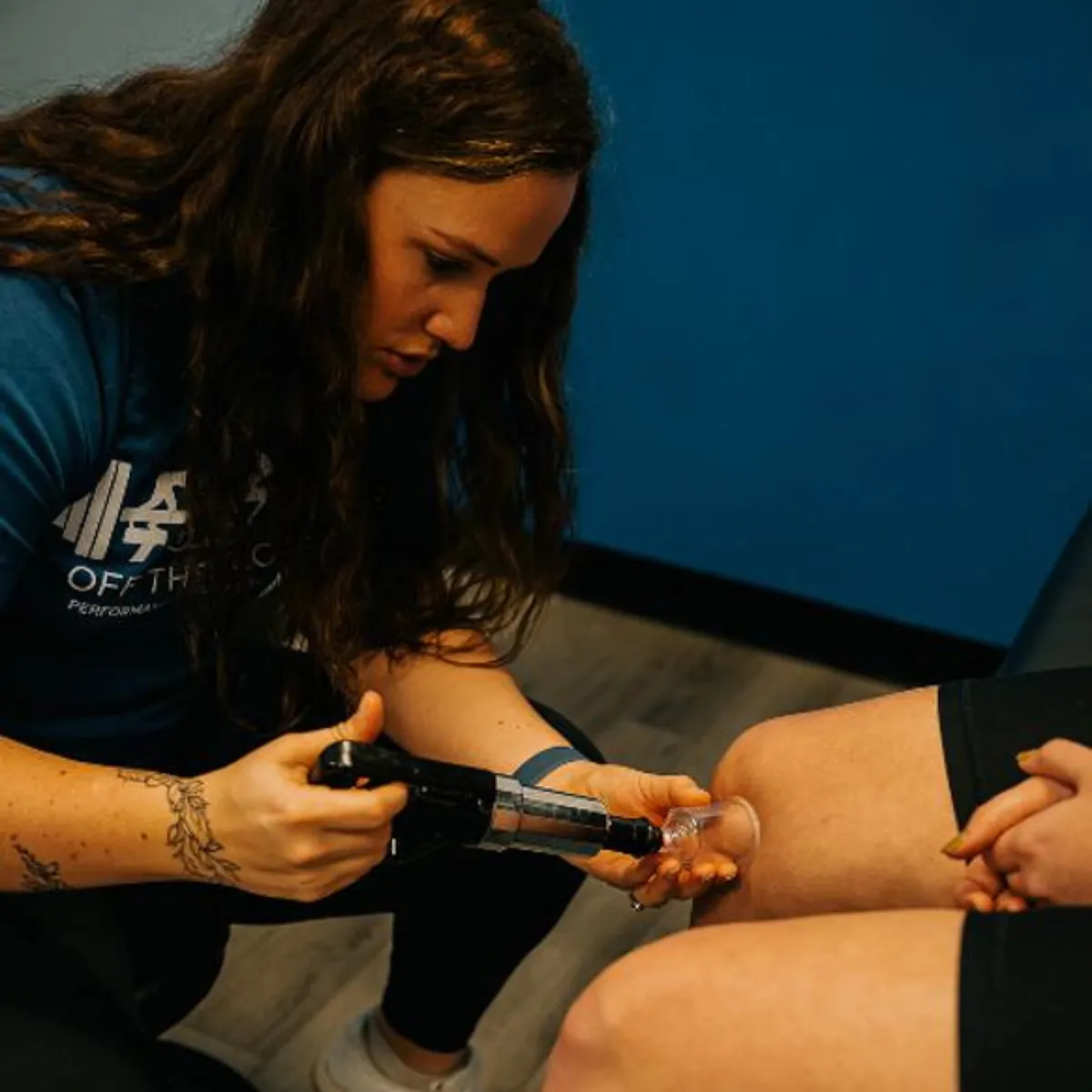
HEAL.
Fix the problem. Don't just treat the symptoms.
Reduce Pain
Restore Movement
Rebuild Your Foundation
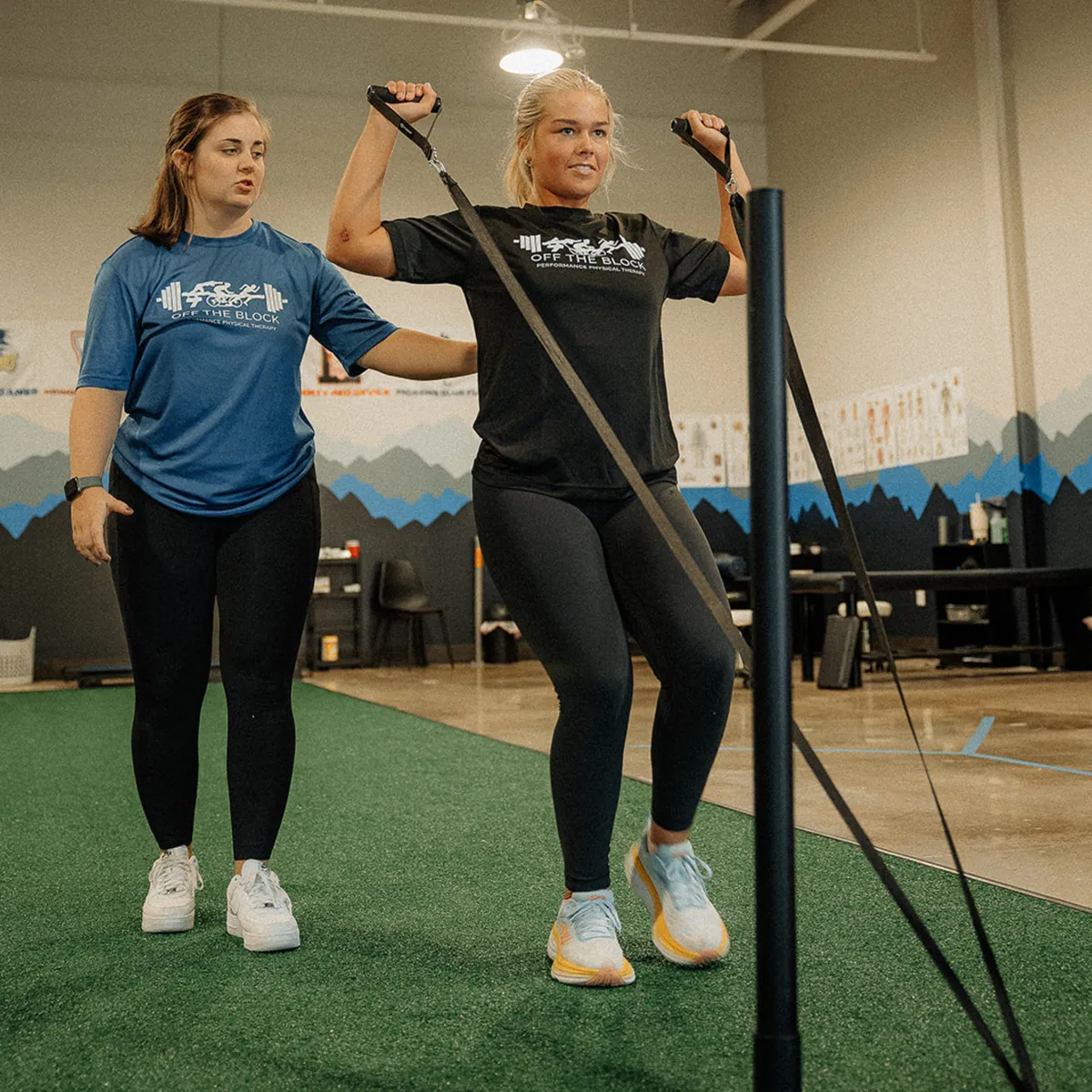
STEP #2
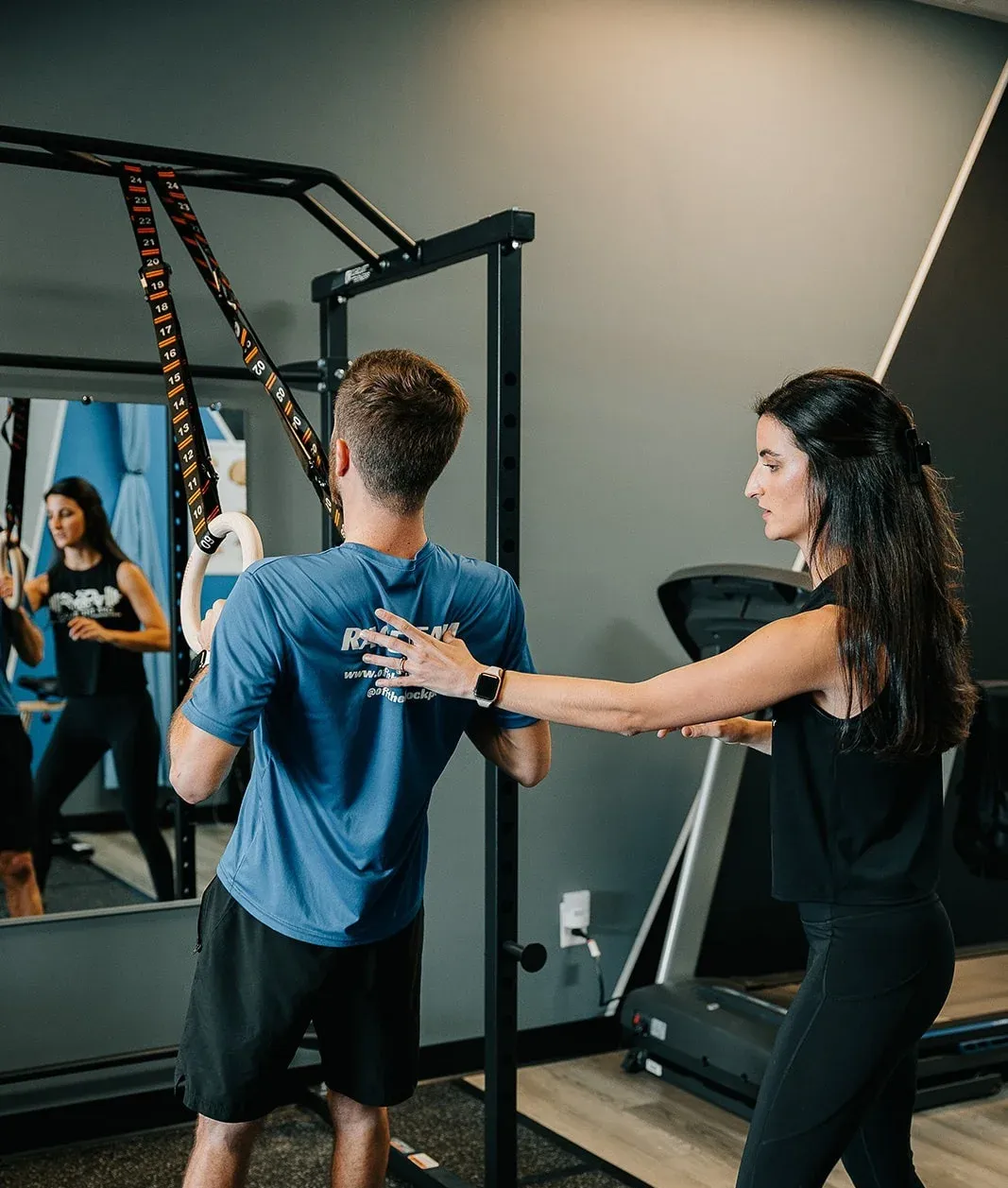
RISE.
Go beyond recovery.
Build Strength
Restore Confidence
Increase Capacity
STEP #3
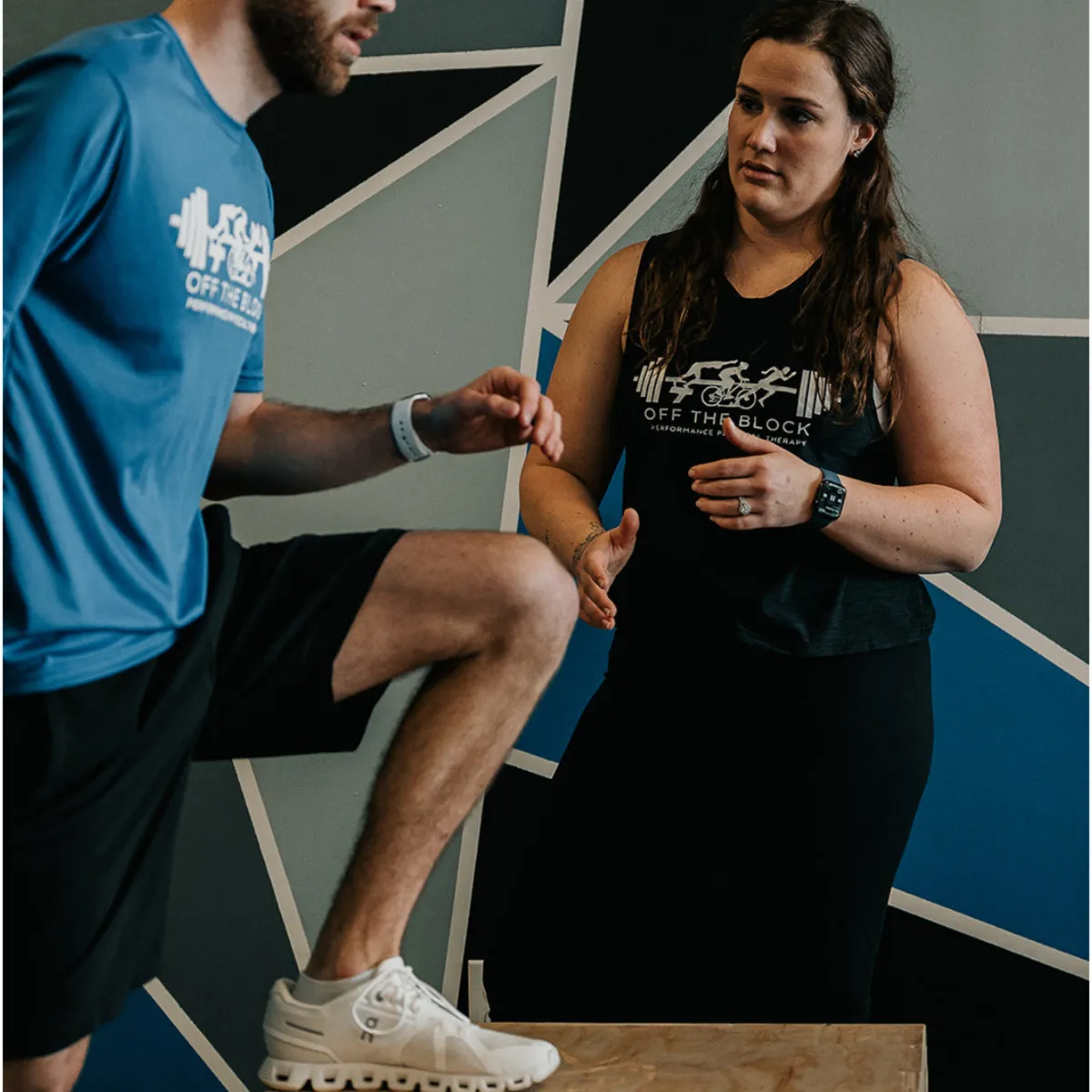
GRIND.
Get back to doing what you love.
Train for performance
Build resilience
Stay at your best
The Ultimate Solution to your Problem is Here.
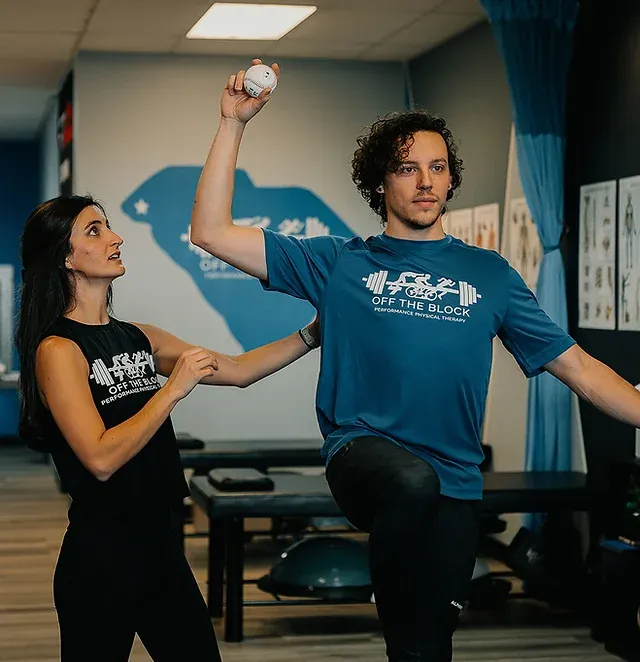
WHO DO WE TREAT?
• Athletes
CrossFit, running, golf, pickleball, and more.
• Active Adults
Stay strong, active, and capable through every stage of life.
• Pelvic Floor
Personalized care for pregnancy, postpartum, pelvic pain, and beyond.
• Injured Athletes
Recover from injury and return to your sport stronger and more confident.
• Weekend Warriors
Keep doing the activities you love without pain holding you back.
• Performance Seekers
You don't have to be injured. Train smarter, build capacity, and level up your performance.
Frequently Asked Questions
What types of injuries and conditions do you treat?
We treat a wide range of orthopedic and sports injuries, including:
- Back and neck pain
- Shoulder, elbow, and wrist injuries
- Hip and pelvic pain
- Knee injuries and pain
- Ankle and foot injuries
- Running injuries
- Sports injuries
- Post surgical rehabilitation
- Muscle strains and joint pain
- Pelvic floor conditions
We work with athletes and active adults across Clemson, Central, Seneca, Anderson, Easley, and the surrounding Upstate South Carolina area, helping you recover, rebuild, and get back to doing what you love.
How long does each session last?
Our Initial Evaluations are 1 hour and follow up sessions are 45 minutes.
Do I need a referral to get started?
No. You can come directly to Off The Block Performance Physical Therapy. We'll start by understanding what you're dealing with, what you want to accomplish, and build a plan to get you there.
How is Cash-Based PT different from Traditional PT?
Traditional insurance based PT is often built around what your insurance will approve. At Off The Block, your care is built around what you actually need. You get more one on one time with your physical therapist, individualized treatment, and a plan designed around your goals rather than an insurance company's definition of “good enough.” We can spend more time assessing the root cause of your problem, building strength, and progressing you toward the activities and sports you actually care about.
You don't just want to feel better. You want to get back to doing what you love. That's what we're here for.
What if I am not injured? Can I still come to OTBPT?
Absolutely. You don't have to wait until something hurts to take care of your body. Just like you regularly visit the dentist to prevent problems or change the oil in your car to keep it running properly, your body deserves regular maintenance too. We can help you improve strength, mobility, movement, and performance while identifying potential issues before they become injuries.
Don't wait until something breaks down. Stay ready with OTB.

Subscribe to our Mailing List
And that's just a peek at what we offer. Get more marketing tips straight to your inbox.